



Hiring dependable vendors is one of the most important parts of planning a successful event. Whether you are organizing a wedding, birthday party, corporate function, festival or family celebration, your vendors will be responsible for many of the details your guests experience.
Before paying a deposit or signing a contract, take time to ask the right questions. A vendor’s answers can help you understand what is included, identify possible additional expenses and determine whether the company is a good fit for your event.
Here are 15 important questions to ask before hiring an event vendor.
1. Are You Available on My Event Date?
Confirm availability before discussing detailed plans. Tell the vendor your event date, location and approximate service hours.
Availability should include enough time for delivery, setup, testing, service and breakdown—not simply the scheduled hours of your event.
2. Have You Worked on This Type of Event?
A vendor may provide excellent service but have limited experience with your particular type of event. Ask whether the company has handled events similar in style, size and location.
For example, a small private party requires different planning than a large wedding, festival or corporate conference. Relevant experience helps vendors anticipate logistical challenges and understand what will be expected of them.
3. What Is Included in Your Price?
Request a detailed written estimate explaining everything included in the quoted price. Depending on the vendor, the proposal could cover:
- Equipment or products
- Labor and staffing
- Delivery and pickup
- Setup and breakdown
- Travel expenses
- Taxes and service charges
- Overtime
- Gratuities
- Additional supplies
Understanding what is included makes it easier to compare proposals from different vendors.
4. Are There Any Additional Charges?
A low initial estimate can increase substantially when additional fees are added. Ask about charges for travel, stairs, difficult loading conditions, parking, additional staff, extended service hours or last-minute changes.
You should also ask whether the price could change if your guest count, schedule or venue changes.
5. How Much Is the Deposit?
Many event vendors require a deposit to reserve your date. Ask how much is due, when the remaining balance must be paid and which forms of payment are accepted.
Find out whether the deposit is refundable and what happens if you need to postpone or cancel the event.
6. What Is Your Cancellation Policy?
Unexpected circumstances can affect even the most carefully planned event. Review the vendor’s cancellation and rescheduling policies before signing a contract.
Ask whether your deposit can be transferred to another date and whether any payments are refundable. The policy should also explain what happens if the vendor must cancel.
7. Do You Carry Insurance?
Many venues require vendors to provide a certificate of insurance before entering the property. Ask whether the vendor carries general liability insurance and can supply the necessary documentation.
Depending on the service, additional licenses, permits or insurance may also be required. Confirm these requirements with your venue.
8. Who Will Provide the Service?
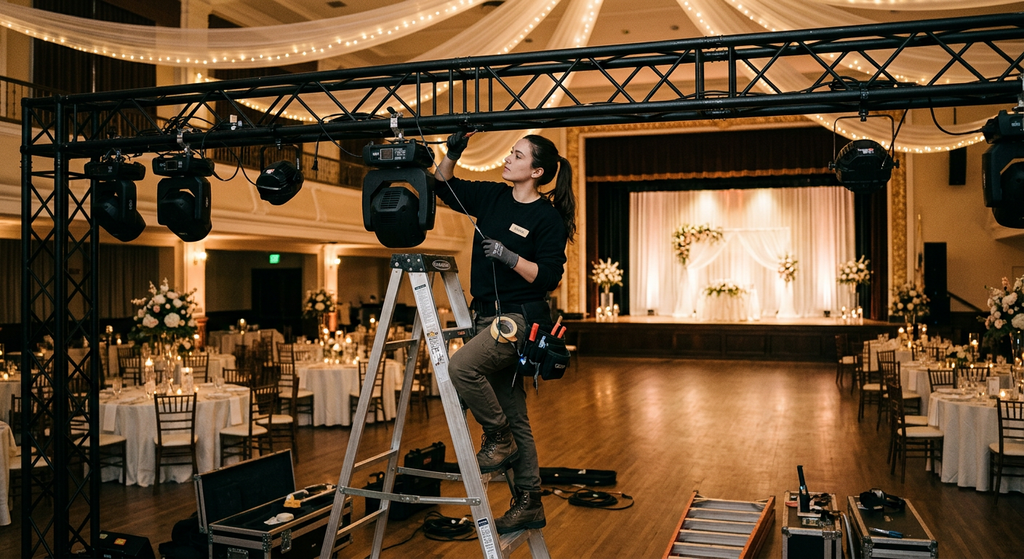
The person you speak with during the planning process may not be the person working at your event. Ask who will be assigned and whether you can communicate with that person beforehand.
If the vendor uses subcontractors, temporary staff or freelance professionals, ask how they are selected and supervised.
9. What Is Your Backup Plan?
Equipment can malfunction, vehicles can break down and staff members can become unavailable. A professional vendor should have a reasonable plan for handling unexpected problems.
Depending on the service, backup arrangements might include replacement equipment, additional supplies, substitute personnel or an emergency contact who is available during the event.
10. When Will You Arrive?
Ask how much time the vendor needs for delivery and setup. Confirm when the vendor will arrive, how long setup will take and when everything will be removed.
Discuss these arrangements with your venue because access may be limited to specific hours. Some venues also have strict loading, parking and noise restrictions.
11. What Do You Need From the Venue?
Different vendors have different operational requirements. A caterer may need kitchen access, while a DJ, band, lighting company or audiovisual provider may require electrical service and sufficient setup space.
Ask about:
- Electrical requirements
- Water or kitchen access
- Loading and parking
- Tables or work areas
- Internet access
- Storage space
- Indoor backup locations
- Setup and breakdown time
Providing this information in advance can prevent delays on the day of the event.
12. Can You Provide Examples of Your Work?
Ask to see photographs, videos, menus, design samples or examples from previous events. These materials can help you evaluate the vendor’s quality, style and attention to detail.
You can also request customer references or review independent customer feedback. Look for patterns in the reviews instead of making a decision based on a single positive or negative comment.
13. How Do You Handle Changes?
Guest counts, schedules and event details frequently change during the planning process. Ask how late changes can be submitted and whether they will affect the price.
Find out who should receive updates and how quickly the vendor will confirm them. Important changes should always be documented in writing.
14. Will Everything Be Included in the Contract?
Your contract should clearly identify the services, products, prices and responsibilities you discussed. It should include:
- Event date and location
- Service and setup times
- Products or services being provided
- Staffing details
- Total cost
- Payment schedule
- Cancellation terms
- Overtime rates
- Delivery and removal arrangements
- Backup or substitution policies
Do not rely on verbal promises. If a detail is important to your event, ask for it to be included in the written agreement.
15. How Will We Communicate Before the Event?
Establish a reliable communication process. Ask who your primary contact will be and whether communication will take place by phone, email or an online planning system.
You should also obtain an emergency contact number for the day of the event. Schedule a final confirmation before the event to review timing, location, guest count and special instructions.
Compare Vendors With Confidence
Choosing an event vendor involves more than comparing prices. You should also consider experience, communication, professionalism, reliability and how well the vendor understands your vision.
Speaking with several businesses and asking consistent questions can help you compare your options fairly. Once you find the right vendor, review the contract carefully and keep all important information in one place.
Ready to start your search? Use Jezsy to discover event vendors, review your options and find the services that fit your celebration.





Leave a Reply